
Epoxy Flooring: An In-Depth Guide to Pros, Cons, Installation, and Costs
3/7/20264 min read
Understanding Epoxy Flooring: What Is It and How Does It Work?
Epoxy flooring is a robust and versatile flooring solution, extensively used in various settings, including residential, commercial, and industrial environments. Its composition primarily consists of epoxy resin and a hardener, which when combined undergo a chemical reaction known as "curing." This curing process transforms the mixture into a durable and long-lasting surface that adheres strongly to the substrate beneath.
The application of epoxy flooring typically begins with surface preparation, requiring a clean and dry base to ensure proper adhesion. Once this is accomplished, the epoxy resin is mixed with the hardener in specific proportions, resulting in a viscous liquid that can be poured or spread across the floor. As the mixture sets, it hardens into a strong and resilient surface capable of withstanding heavy traffic, impact, and various chemicals.
There are several types of epoxy flooring available, catering to different needs and aesthetic preferences. For instance, solid epoxy is popular for its thickness and durability, while epoxy flake systems incorporate decorative flakes for added visual appeal. Additionally, there are quartz-filled epoxy floors that provide enhanced texture and slip resistance, making them ideal for areas prone to moisture.
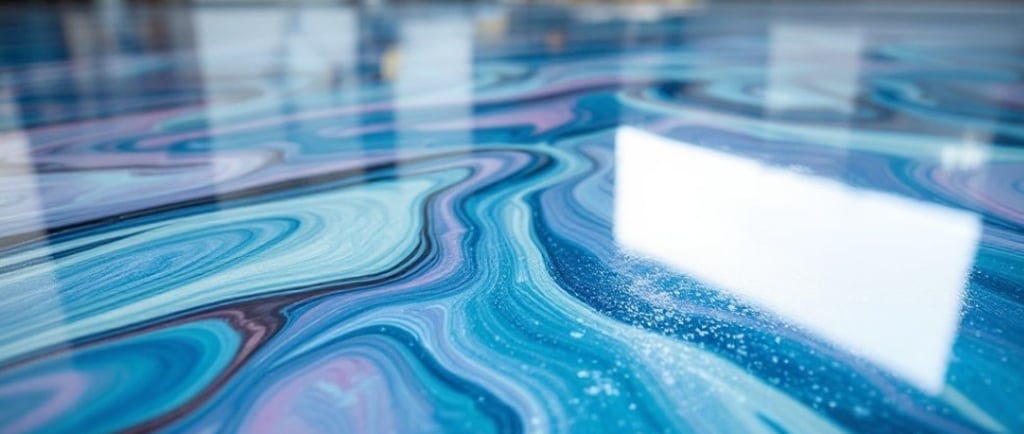
One of the most significant advantages of epoxy flooring is its aesthetic versatility. Clients can choose from a vast palette of colors and finishes, ranging from glossy and high-shine effects to matte and textured surfaces. This adaptability allows epoxy to complement a wide array of interior designs, making it suitable for various applications, such as residential garages, retail spaces, and even hospitals where hygiene is paramount.
Pros of Epoxy Flooring: Why Choose Epoxy?
Epoxy flooring offers a multitude of advantages that make it a compelling choice for a wide range of applications. One of the primary benefits of this flooring system is its remarkable durability. Epoxy is known for its ability to withstand heavy foot traffic, making it a suitable option for high-traffic areas such as warehouses and commercial spaces. This material is engineered to resist cracking, chipping, and peeling, which extends the lifespan of the flooring significantly.
In addition to its durability, epoxy flooring exhibits exceptional resistance to stains and chemicals. This feature is particularly advantageous in environments where spills or leaks may occur, such as garages and industrial settings. The non-porous surface of epoxy prevents liquids from penetrating, making cleanup straightforward and preventing damage to the subfloor.
Another significant advantage of epoxy flooring is its low maintenance requirements. Routine cleaning typically involves simple sweeping and mopping with mild detergents, freeing owners from the complexities associated with maintaining other flooring types. This ease of care contributes to overall cost savings over time.
Customizability is yet another prominent feature of epoxy flooring. Available in a wide array of colors, finishes, and textures, epoxy can be tailored to meet the aesthetic demands of various environments. Whether for a modern office or a rustic garage, epoxy options can complement any design vision. For instance, overlays can include decorative chips or metallic finishes, adding visual appeal and uniqueness.
Moreover, the inherent aesthetic benefits of epoxy extend beyond visual appeal. The glossy finish can enhance lighting in a space, creating a brighter and more inviting atmosphere. This characteristic makes epoxy flooring not only practical but also attractive, facilitating a harmonious blend of functionality and style.
Cons of Epoxy Flooring: What to Consider Before Installation
While epoxy flooring offers numerous advantages, it is crucial to consider the potential drawbacks before proceeding with installation. One significant factor to examine is the initial installation cost. Depending on the quality of materials and the complexity of the design, expenses can accumulate quickly. This upfront investment may deter some property owners, particularly those on a tight budget.
Additionally, the installation process itself can be quite complex. Achieving a professional-quality finish requires meticulous preparation, including the removal of the existing flooring and ensuring the subfloor is clean and dry. These steps demand time and effort, and as a result, many opt to hire professionals. However, employing expert installers adds to the overall expense.
Safety is another crucial consideration with epoxy flooring. Although epoxy is generally regarded as an excellent choice for commercial and industrial spaces, it can become slippery when wet. This characteristic raises concerns, especially in homes or areas prone to moisture. Proper anti-slip measures should be taken during installation to address this issue, yet these additional steps could further increase overall costs.
Moreover, volatile organic compounds (VOCs) released during the application of epoxy can pose health risks, particularly in poorly ventilated areas. Although advancements have been made in producing low-VOC epoxy options, it is essential to educate oneself on the materials being used and to ensure that adequate ventilation is maintained during installation.
In summary, while epoxy flooring can be a great long-term investment, weighing the associated costs, installation complexities, potential safety risks, and emission concerns is advisable for making an informed decision about this flooring option.
Installation Process and Cost of Epoxy Flooring: What to Expect
The installation of epoxy flooring is a meticulous process that requires careful planning and execution to achieve desired results. To begin with, proper preparation of the concrete substrate is essential. This step involves cleaning the surface thoroughly to remove dirt, oil, or any old coatings that might interfere with adhesion. In some cases, the surface may require grinding to ensure a rough texture that maximizes bond strength for the epoxy.
Once the surface is adequately prepared, the next stage involves applying a primer coat. This layer enhances the adhesive properties of the epoxy and ensures compatibility with the underlying concrete. Following the primer’s curing time, the actual epoxy mixture is prepared. Epoxy flooring typically comprises a base resin and a hardener, which must be mixed in precise ratios, as per the manufacturer's instructions.
After mixing, the epoxy is applied, typically using a roller or squeegee, spreading it evenly across the surface. Depending on the type of epoxy system selected—such as solid color, metallic, or flake systems—the application technique may vary. Most installations require at least two coats for optimal durability and aesthetics. The installation process can take anywhere from one day to several days, depending on the size of the area and the complexity of the design.
Regarding costs, installing epoxy flooring can range widely based on various factors. On average, the cost of materials can vary from $2 to $12 per square foot depending on the type and quality of epoxy chosen. Labor costs may add another $3 to $12 per square foot, influenced by the installation’s complexity. Additionally, geographic location and contractor expertise can affect pricing. Therefore, prospective buyers should request detailed quotes and check multiple estimates to determine the most suitable option for their budget.
Empower
The Fallston Building
1716 Harford Road
Connect
Support
(202) 630-4567
© 2025. All rights reserved.